Skip to content
Older Malaysian woman smiling while holding her reading glasses, with an intraocular lens visual

Microincision (MICS) Cataract Surgery

See the World Clearly Again: The Life-Changing Benefits of Cataract Surgery

Offer · Monofocal Package From
RM2,500
Per Eye

Monofocal lens package as low as RM2,500/eye*

Package includes

Surgical fee, intraocular lens, daycare procedure

Excluding medication and post-operative follow-ups

Pre-operative Cataract Assessment at RM150 (NP: RM550)

KL Eye Specialist Centre (Klang) • Bandar Bukit Tinggi

Woman holding her glasses and an implantable contact lens
Implantable Contact Lenses (ICL)

Experience Freedom Beyond Glasses

Not a Candidate for LASIK? Think Beyond the Laser.

ICL Package From
RM6,990

Suitable age: 21–45 years old

Reversible procedure, preserves cornea tissue

Safe, painless and quick recovery

Suitable for

High or low prescriptions

Thin cornea – not suitable for LASIK

Contact lens intolerance

Excellent night vision

Pre-operative ICL Assessment at RM150 (NP: RM550)

KL Eye Specialist Centre (Klang) • Bandar Bukit Tinggi

Malaysian woman smiling while holding her glasses, representing trifocal lens exchange
Refractive Lens Exchange (RLE) with Trifocal Lens

Rediscover a Life Unfiltered. No Readers. No Bifocals.

Trifocal Vision Package From
RM8,000
Ideal candidate for:

Age 40 or Older: For age-related near-vision loss.

Not a LASIK Candidate: Suits thin corneas, extreme near- or far-sightedness, or dry eyes.

Early Cataracts: Replacing the lens now also prevents future cataracts.

Pre-operative RLE Assessment at RM150 (NP: RM550)

KL Eye Specialist Centre (Klang) • Bandar Bukit Tinggi

Why Cataract Surgery?

Cataract surgery replaces the cloudy lens to improve everyday vision.

Clearer, Brighter Vision

Cataracts can make everything appear blurred, hazy or dull. Surgery replaces the cloudy natural lens with a clear artificial lens, which may improve visual clarity, contrast and colour perception. As your eye heals, everyday details such as faces, television subtitles and road signs may become easier to see and recognise.

Reduced Glare and Halos

Cataracts scatter light inside the eye, often causing glare, halos and discomfort around headlights or bright sunlight. Removing the cloudy lens may help light focus more clearly, making different lighting conditions more comfortable. This can be especially helpful when driving at night, spending time outdoors or entering brightly lit environments.

Enjoy Everyday Moments Again

Cloudy vision can make simple activities such as reading, watching television, using your phone, cooking or enjoying hobbies increasingly frustrating. Improved vision after surgery may make these activities easier and more enjoyable again, helping you recognise familiar faces, notice important details and stay connected with the people and moments that matter.

Greater Independence and Confidence

Poor vision may cause you to depend on family members for transportation, shopping and other everyday tasks. By improving functional vision, cataract surgery may help you move around more safely, manage your daily routine with greater confidence and maintain a more active, independent lifestyle as your eye recovers.

Who Needs Cataract Surgery

Do Any of These Feel Familiar?

Cataracts usually develop slowly, so small changes in your vision can be easy to overlook. If you have noticed any of these everyday difficulties, it may be time to have your eyes checked.

Vision Looks Cloudy or Blurry

Your Vision Looks Cloudy or Blurry

Things may look hazy, as though you are looking through a foggy window, even when your glasses are clean.

Night Driving Feels More Difficult

Night Driving Feels More Difficult

Oncoming headlights feel too bright, glare spreads across your view, or road signs are harder to see after dark.

Need More Light to Read

You Need More Light to Read

You find yourself increasing your screen brightness or moving closer to a lamp to read messages, labels, or menus.

Colours Look Duller Than Before

Colours Look Duller Than Before

Whites may appear slightly yellow, while familiar colours no longer look as bright or clear as they once did.

Bright Lights Bother Your Eyes

Bright Lights Bother Your Eyes

Sunlight, lamps, and headlights may feel harsh, or you may notice glowing rings around lights.

New Glasses Don’t Seem to Help

New Glasses Don’t Seem to Help

Your glasses prescription may keep changing, but your vision still does not feel as clear or sharp as before.
The Procedure

What Is Micro-Incision Cataract Surgery (MICS)?

Micro-Incision Cataract Surgery (MICS) removes the clouded lens through an exceptionally small opening — typically under 2 mm. Because the opening is so small, there is less disruption to the eye, less post-operative astigmatism, and healing is quicker than with wider-incision techniques.

How the Lens Is Replaced

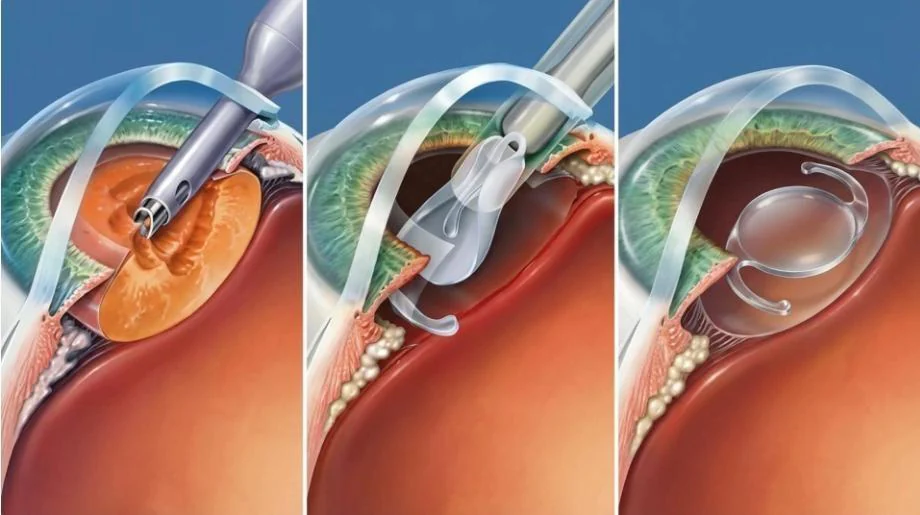
Cross-section illustration of micro-incision cataract surgery: the clouded lens is broken up and removed, a folded intraocular lens is inserted, and the new lens unfolds into position.

Left to right: the clouded lens is broken up with gentle ultrasound and suctioned out, a folded intraocular lens is passed through the same tiny opening, and the new lens unfolds into position.

The opening is typically under 2 mm — compared with about 2.8 to 3.0 mm for standard phacoemulsification and 5 to 7 mm for manual small-incision surgery. A smaller opening limits tissue disruption and post-operative astigmatism, and supports faster healing.

How the MICS Procedure Works

01

Numbing

Numbing drops are used so you stay comfortable and awake. No needles are needed.

02

A Tiny Opening

The surgeon makes a microscopic opening — usually under 2 mm — at the edge of the cornea.

03

Breaking the Cataract

A fine probe uses gentle ultrasound waves to break the clouded lens into tiny pieces.

04

Gentle Suction

Those tiny pieces are gently suctioned out through the same small opening.

05

The New Lens

A folded artificial lens (IOL) passes through that opening and unfolds naturally inside the eye.

06

Healing

The opening is self-sealing, so stitches are rarely required.

Lens Options

Types of Intraocular Lens (IOL)

The lens implanted during surgery decides how much you still rely on spectacles afterwards.

Standard

Monofocal Lens

Spectacles or readers needed

Clear distance vision, near vision is blurred.

Vision simulation with a monofocal lens: the park, fountain and skyline in the distance are sharp while the cup and table in the foreground are blurred
Far
Intermediate
Near
Upgrade

EDOF Lens

Only reading spectacles needed

Clear distance and intermediate vision, functional near vision.

Vision simulation with an EDOF lens: the distance and the mid-range tables are sharp and the phone and notebook close up are largely readable
Far
Intermediate
Near
Premium

Trifocal Lens

More freedom from spectacles at all distances

Clear vision at all distances — far, intermediate and near.

Vision simulation with a premium multifocal lens: the distant park, the mid-range seating and the phone and notebook close up are all sharp
Far
Intermediate
Near

Your surgeon will recommend the lens suited to your eyes and daily activities at your pre-operative assessment.

How Cataract Treatment Works

Your Cataract Journey, One Clear Step at a Time

Pre-operative Assessment
Lens Counselling & Ordering
Lens Arrival
Surgery Day
Post-operative Follow-Ups
Step 1 of 5
Step 2 of 5
Step 3 of 5
Step 4 of 5
Step 5 of 5
01
Before Surgery • Assessment

Pre-operative Cataract Assessment

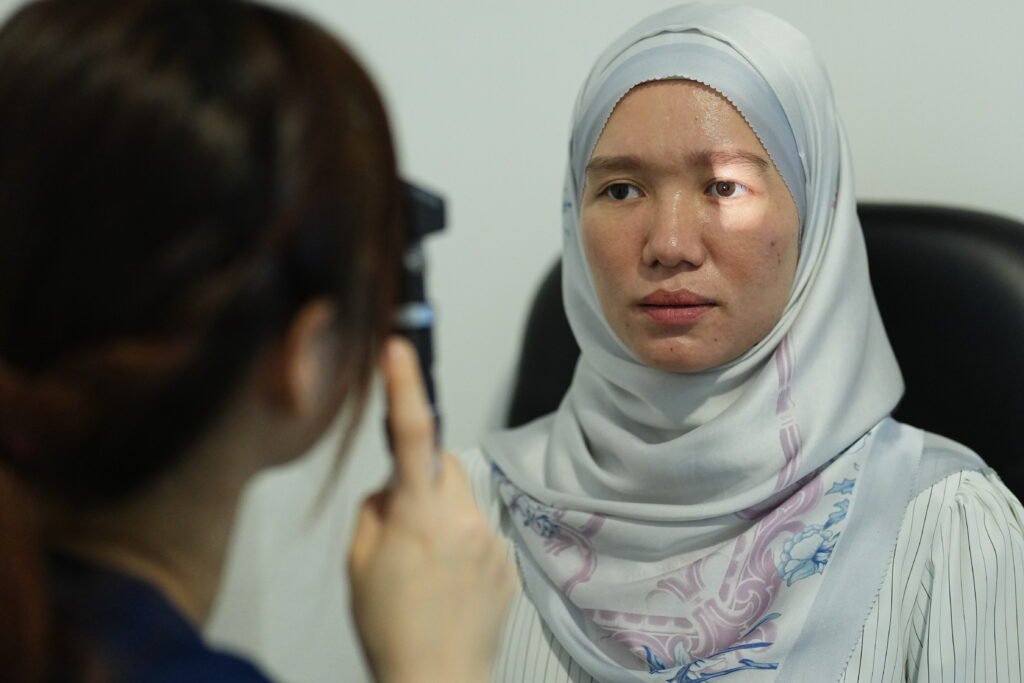
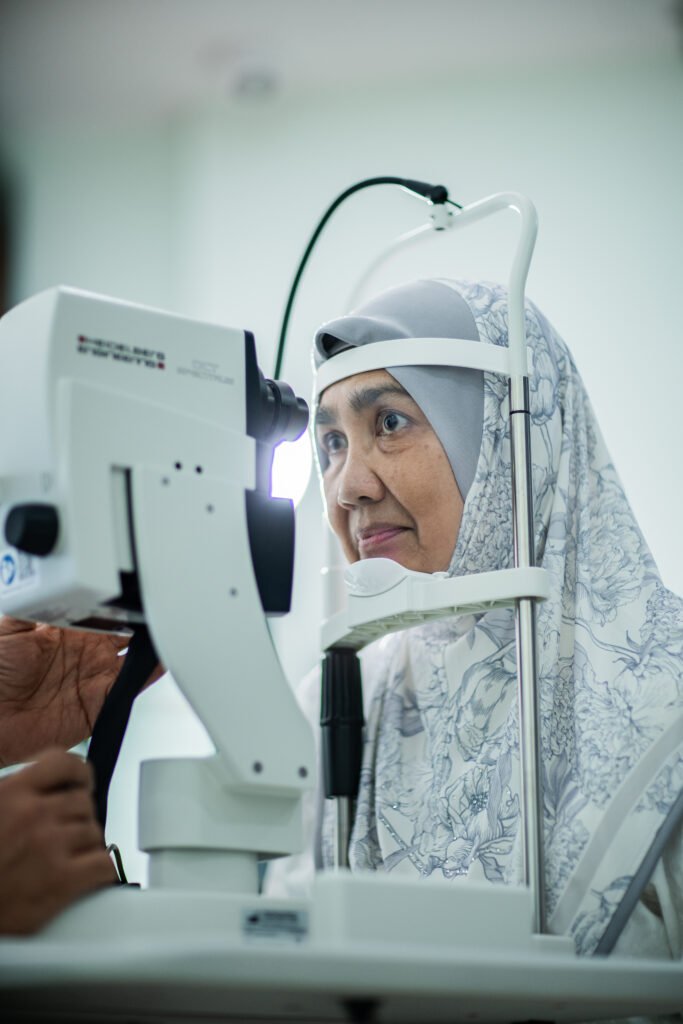
Your assessment includes refraction, a retinal scan, biometry, eye-pressure measurement, slit-lamp examination and a doctor’s consultation. Together, these checks help us understand your cataract, overall eye health and lens measurements before treatment is recommended.

02
Before Surgery • Lens Counselling

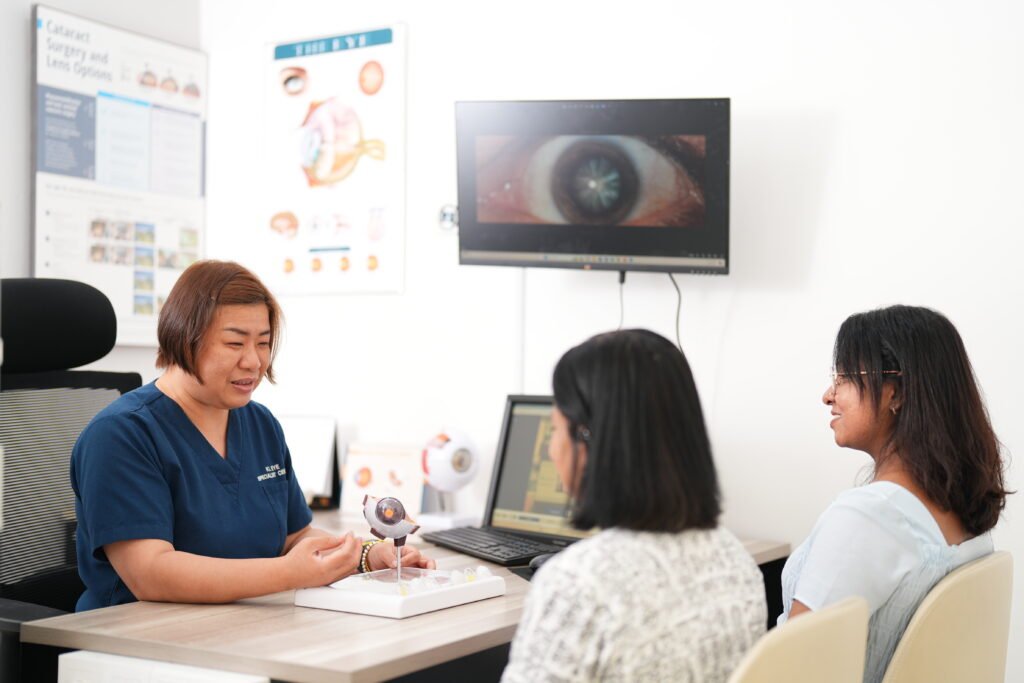
Counselling & Ordering of Intraocular Lenses

After consulting with our counsellor, the intraocular lens of your choice is ordered. Lead time depends on the type of lens selected.

03
Before Surgery • Lens Arrival

Arrival of Your IOL Lens

Once your lens arrives, our optometrist checks it. When it is confirmed, we call you to arrange your surgery date.

04
The Procedure

Surgery Day

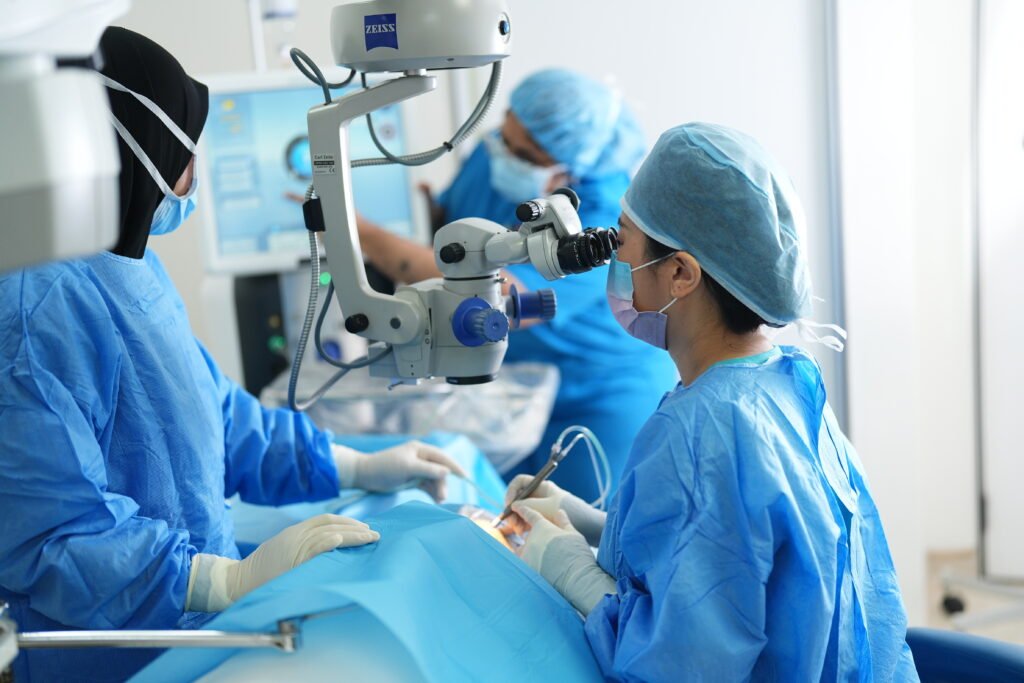
The clouded natural lens is removed and replaced with your intraocular lens.

05
After Surgery • Recovery

Post-operative Follow-Ups

We review your eye after surgery to monitor healing, answer your questions and guide you through each stage of recovery.

Day 1
Day 7
Day 30
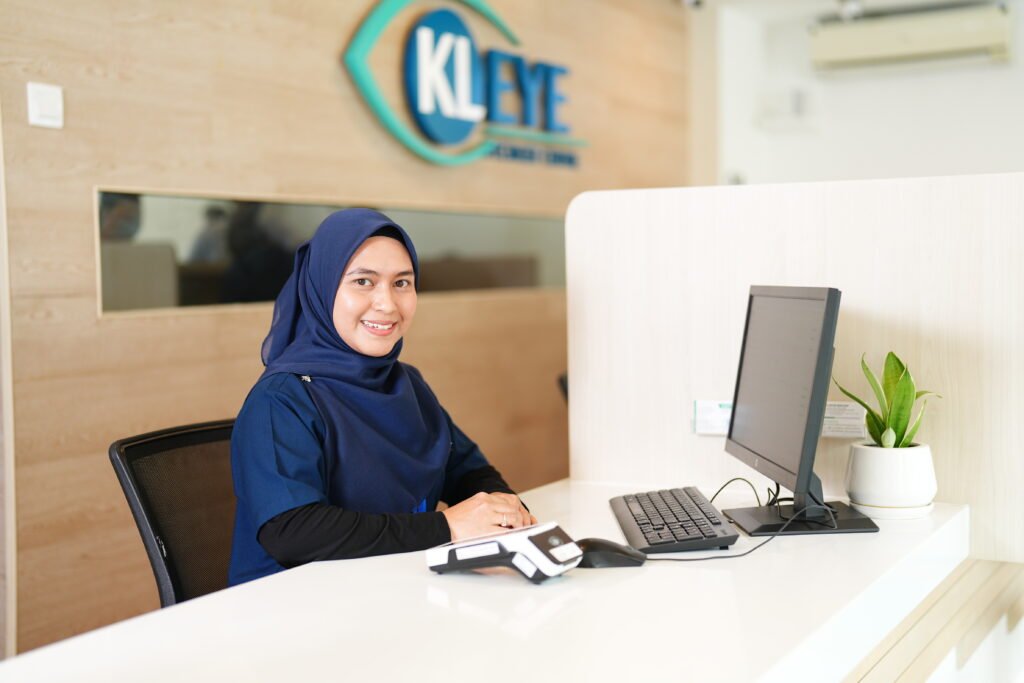
The clinical and support team of KL Eye Specialist Centre (Klang), seated and standing together
Why Choose Us

Why Choose KL Eye Specialist Centre (Klang)

Choosing where to have your eyes treated matters. What sets a centre apart is who assesses your eyes, how your lens is matched to your daily vision, and who follows up afterwards. At our Klang centre, all of it happens in one place, from first assessment to your Day 30 review.

01

Professional & Experienced Doctor

Your care is led by Dr Lisa Tan Sor Earn, Consultant Ophthalmologist & Refractive Surgeon, practising ophthalmology since 2009 with a focus on cataract and refractive surgery.

02

High Patient Satisfaction

Rated 4.9 out of 5 across 236 Google reviews from patients treated at our Klang centre.

03

Trusted Network and Group Expertise

As the Klang branch of KL Eye Specialist Centre, you benefit from the group’s:

04

Comprehensive Eye Care Services

Beyond cataract surgery, we also provide ICL, RLE with trifocal lenses, dry eye treatment, glaucoma assessment and children’s eye assessments.

05

Highly Accessible Location

On the ground floor at Lorong Batu Nilam 21C, Bandar Bukit Tinggi, Klang — easy to reach and easy to get into. Accessible via the NKVE, KESAS and Federal Highway.

Dr Lisa Tan Sor Earn
MBBS (UM)  ·  MMed Ophthal (UM)
Consultant Ophthalmologist & Refractive Surgeon
Our Specialist

Dr Lisa Tan Sor Earn

With a career dedicated to enhancing vision health, Dr Lisa Tan Sor Earn has been a leading figure in ophthalmology since her graduation in 2009. Her extensive experience encompasses cataract and refractive surgeries, with a special focus on cornea and lens-based treatments.

Education and Training

MBBS (University of Malaya)

Masters of Ophthalmology (University of Malaya)

Postgraduate qualification in Ophthalmology is recognized and certified by the board of:

Malaysian Medical Council (MMC) – membership no. 50426

National Specialist Register of Malaysia (NSR) – membership no. 136825

Certified Medical Impairment Assessor, NIOSH (National Institute of Occupational Safety & Health)

Professional Refractive Surgery Certifications

University of Miguel Hernandez (UMH), Spain

Forefront Refractive Surgery Course, London Vision Clinic, UK

Gazettement and Post Specialist Training Centers in Malaysia

Professional Memberships

ESCRS
ASCRS
ISRS
APGS
Patient Experiences

What Patients Say About Their Klang Experience

4.9
★★★★★
Based on 236 Google reviews

Reviews reflect individual patient experiences. Treatment and recovery outcomes may vary.

Frequently Asked Questions

Yes. The monofocal cataract surgery package starts from RM2,500 per eye. Final suitability, package details and applicable fees are confirmed after your eye assessment.

Selected monofocal cases may be considered for assessment and surgery on the same day, subject to your assessment results, lens power and lens availability. Your ophthalmologist will confirm what is appropriate for you.

Yes, bilateral cataract surgery is medically possible, but it depends entirely on the patient’s eye condition. Our consultant ophthalmologist will perform a comprehensive eye assessment to evaluate if doing both eyes sequentially or on separate dates is the safest and most effective option for your vision.

Cataract surgery is carried out under local anaesthetic, so the eye is numbed beforehand. Patients commonly describe a sensation of pressure rather than pain. Your ophthalmologist will discuss comfort during your consultation.

Recovery varies between individuals. Many patients notice clearer vision within the first few days, and your progress is reviewed at the Day 1, Day 7 and Day 30 follow-up appointments. Your ophthalmologist will advise you on activity and aftercare specific to your eyes.

Yes, cataract surgery is generally classified as a medically necessary procedure rather than a cosmetic one, meaning it is claimable under most major medical insurance policies in Malaysia. However, coverage, panel hospital eligibility, and co-payment amounts are subject to your specific policy terms and insurance provider’s approval. Please bring your insurance card during your consultation so our team can assist with a panel check.

Note: not applicable to the RM2,500 package.

Still have questions?

Visit Us in Klang

Our clinic is in Bandar Bukit Tinggi, Klang. Book an appointment below, or message us directly.

Book Your Cataract Assessment

Complete the form and our Klang team will contact you to arrange your appointment.

KLEC Klang - Book Your Cataract Assessment